How Thick Should a Residential Concrete Slab Be?
When planning any residential concrete project—whether pouring a back patio, building a detached two-car garage, erecting a storage shed, or replacing an existing driveway—one of the most critical structural decisions is determining slab thickness. Pouring a slab too thin almost guarantees premature cracking, structural settling, and costly failure under load. Conversely, over-engineering thickness adds unnecessary material expense. In this comprehensive engineering guide, Millstone Concrete Company explains how to determine the optimal thickness for residential concrete slabs in Roswell, GA, ensuring your hardscapes provide decades of dependable performance.
Standard Thickness Recommendations by Residential Application
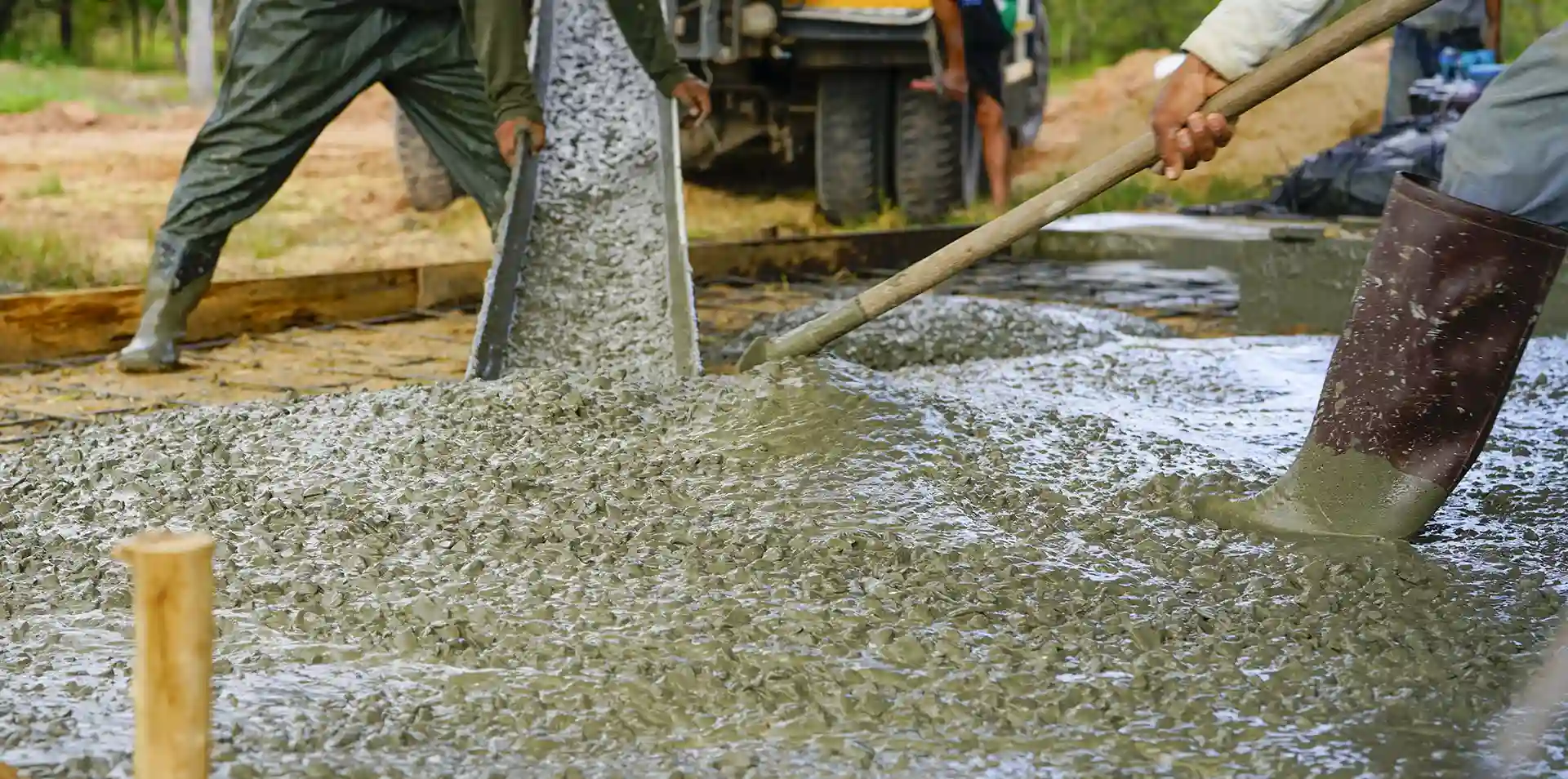
The intended purpose and anticipated weight load dictate the required thickness of any poured concrete slab:
- Patios and Garden Walkways (4 Inches): Because pedestrian foot traffic, patio dining sets, and lightweight outdoor grills place minimal load on concrete, a 4-inch-thick slab (using standard 2x4 form boards) reinforced with welded wire mesh or fiber additives provides ideal structural capacity.
- Residential Driveways and Parking Areas (4 to 5 Inches): Standard residential concrete driveways supporting passenger sedans and light SUVs are poured at a minimum of 4 inches. However, for households with heavy pickup trucks, large SUVs, or delivery traffic, upgrading to 5 inches with tied steel rebar provides vital insurance against cracking.
- Garages, Workshops, and Heavy Equipment Pads (5 to 6 Inches): Garages and workshops support continuous heavy point loads from vehicle tires, floor jacks, toolboxes, and machinery. We recommend pouring 5 to 6 inches of 4,000 PSI concrete reinforced with a grid of #4 steel rebar.
- Accessory Storage Sheds (4 Inches with Thickened Edges): For prefabricated backyard storage sheds, a 4-inch interior slab combined with a 10-to-12-inch thickened perimeter edge beam safely supports wall framing loads while elevating timber sill plates above ground moisture.
- Heavy Spas, Hot Tubs, and Swim Spas (6 Inches): A filled hot tub exerts tremendous hydrostatic weight (often 4,000 to 6,000+ pounds). Poured hot tub pads should always be engineered at a minimum of 6 inches with heavy rebar reinforcement.
Why Thickness Alone Does Not Prevent Cracking
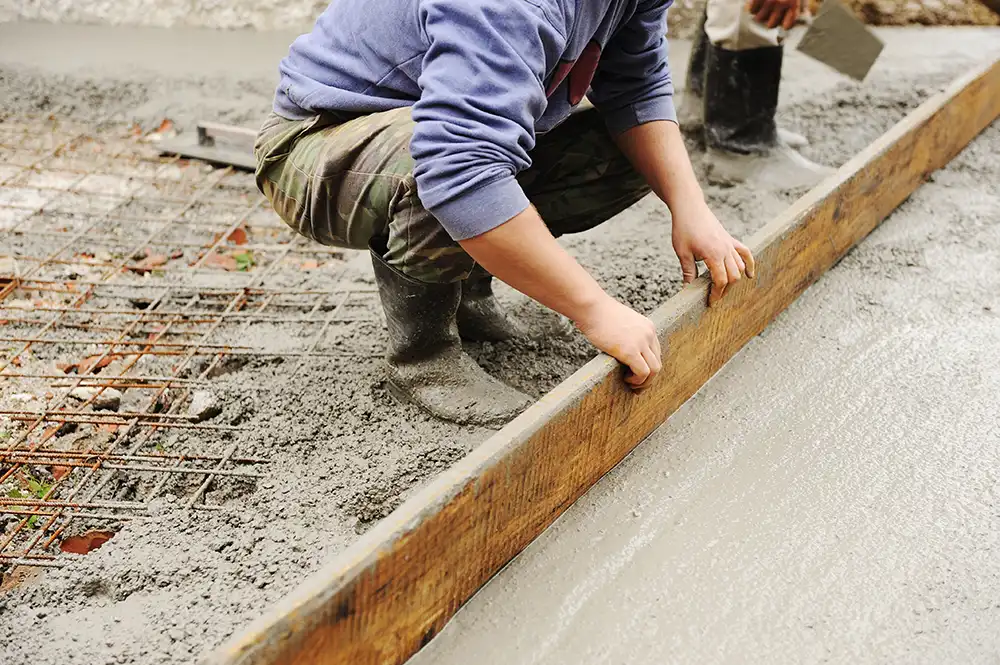
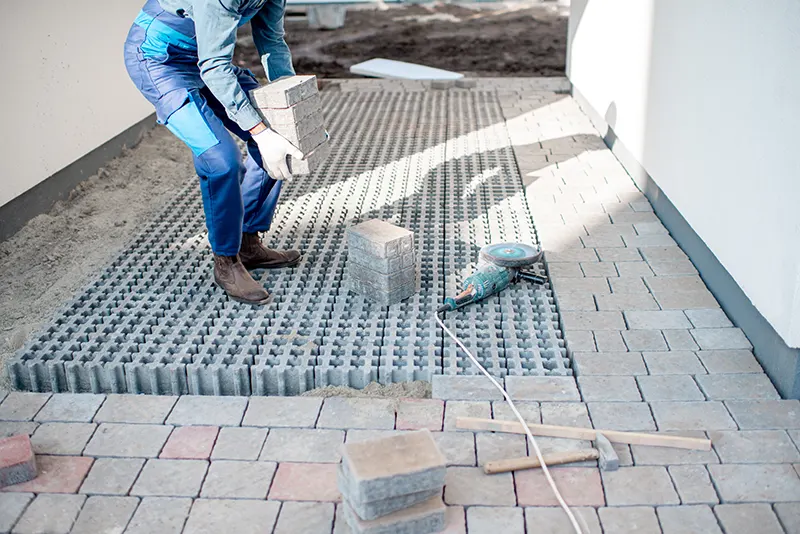
A common misconception among homeowners is that making a slab thicker will automatically solve all cracking issues. In reality, a 6-inch slab poured over poorly compacted, unlevel dirt will crack just as easily as a 4-inch slab. Slab performance is fundamentally dependent on the quality of the subgrade foundation beneath it. In northern Georgia, native red clay soils expand dramatically when wet and shrink when dry. To prevent settlement, our crews excavate unstable topsoil, install a 4-to-6-inch base of crushed granite aggregate (GAB), and mechanically compact the stone with vibrating plate tampers before pouring.
The Crucial Role of Internal Steel Reinforcement
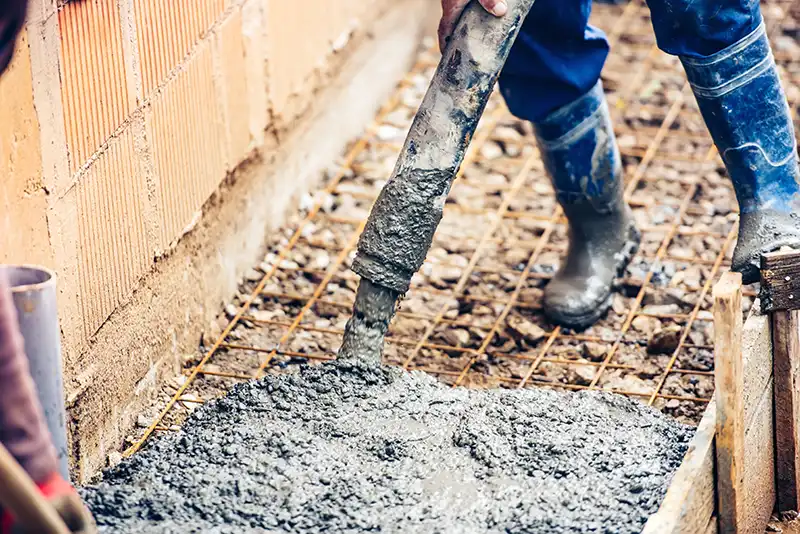
Concrete possesses immense compressive strength (the ability to withstand crushing downward forces) but relatively low tensile strength (resistance to bending or pulling forces). When heavy vehicle wheels roll across a slab, the concrete experiences bending tension along its bottom face. We install tied steel rebar grids (typically #4 rebar on 12-to-18-inch centers) elevated on plastic chairs so the steel is positioned securely in the middle third of the slab. This internal reinforcement holds the slab together and prevents fractures from widening.

Structural Foundations vs. Floating Slabs
It is important to differentiate between floating utility slabs and load-bearing foundations. If your upcoming construction involves living spaces, home additions, or heavy masonry walls, code mandates continuous perimeter footings excavated below the local frost depth. Explore our specialized concrete foundations capabilities to learn how we engineer load-bearing footings. Our structural design standards adhere strictly to technical guidelines established by the American Concrete Institute.
Frequently Asked Questions
What happens if a concrete slab is poured only 3 inches thick?
A 3-inch slab lacks sufficient cross-sectional mass to withstand vehicular loads or subgrade soil movement, resulting in rapid alligator cracking and crumbling edges within months of placement.
How do you control joint spacing based on slab thickness?
Industry rule of thumb dictates that contraction joint spacing (in feet) should be no more than two to three times the slab thickness (in inches). For a 4-inch slab, control joints should be placed roughly every 8 to 10 feet.
Schedule Your Free Slab Consultation in Roswell
Ensure your upcoming slab is engineered with precision thickness and structural integrity. Contact Millstone Concrete Company today to schedule your complimentary consultation and written proposal in Roswell, GA!
Related Pages & Technical References
Call For Immediate Concrete Inquiries
Direct communication with our Roswell, GA crew. Call to schedule your free consultation and estimate.