Concrete Driveway Replacement vs. Repair: Which Is Right for You?
When your residential concrete driveway begins to show signs of aging, wear, and structural distress, homeowners face a critical decision: should you invest in targeted repairs, or is it time for complete replacement? Making the right choice requires understanding the underlying cause of the damage, evaluating long-term financial value, and recognizing whether surface blemishes reflect isolated cosmetic issues or deep subgrade failure. In this comprehensive guide, Millstone Concrete Company explains how to diagnose driveway damage so you can make the smartest, most cost-effective decision for your Roswell home.
For minor issues, our targeted concrete repair services provide an economical remedy. However, when the foundation beneath your driveway has deteriorated, full concrete driveway replacement is the only permanent solution. Let us examine how to evaluate your driveway's condition.
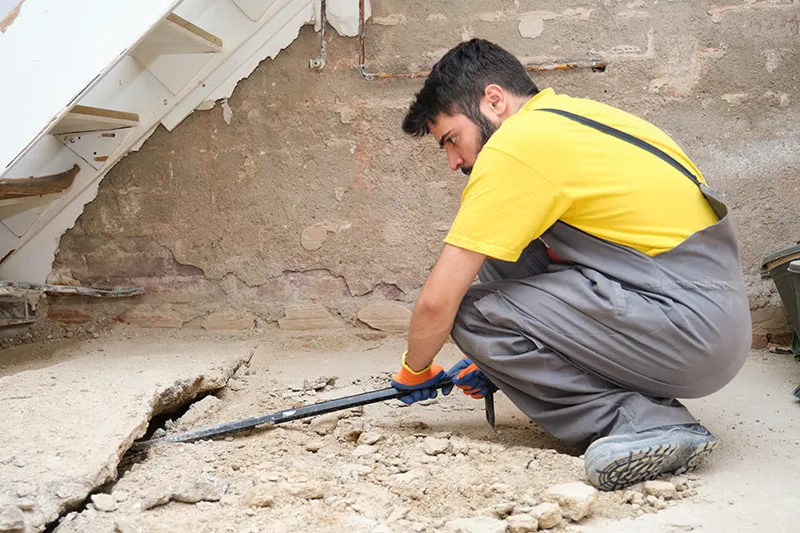
When Targeted Concrete Repair Is the Smart Choice
Targeted repairs are ideal when damage is localized, minor, and the underlying aggregate sub-base remains solid and stable. You should consider repair when:
- Cracks Are Less Than 1/4 Inch Wide: Thin, hairline cracks that do not exhibit vertical displacement (where one side is higher than the other) can be cleaned and filled with commercial-grade polyurethane or polyurea joint sealants.
- Damage Is Confined to a Small Area: If 90% of your driveway is in excellent condition and only a single corner or isolated edge is chipped, localized patching makes sound economic sense.
- Control Joint Deterioration: Chipping along saw-cut expansion joints can often be rebuilt using polymer-modified repair mortars without disturbing the surrounding slabs.
- Minor Surface Staining: Oil spots, tire marks, or mild efflorescence can typically be removed through professional pressure washing, chemical degreasers, or light decorative staining.
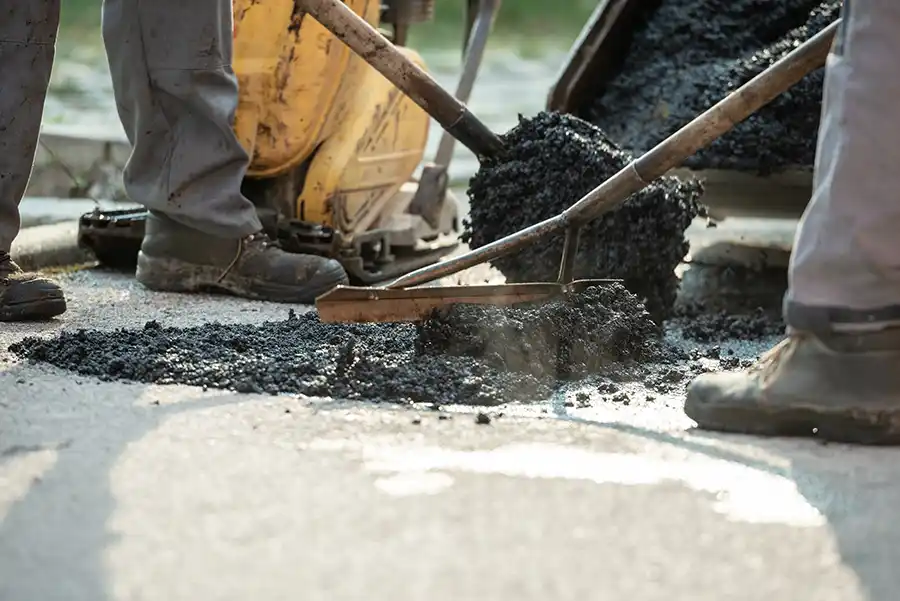
When Complete Driveway Replacement Is Necessary
Attempting to patch a severely compromised driveway is a waste of money. If underlying soils have settled or washed away, surface patches will crack and fail within months. Replacement is the only viable option when:
- Widespread Spiderweb or Alligator Cracking: Extensive, interconnected fractures spanning multiple slabs indicate deep structural subgrade collapse that cannot be patched.
- Sunken, Heaved, or Uneven Panels: Slabs that have settled several inches create severe trip hazards and vehicle undercarriage scrapes, pointing to subgrade washout or massive tree root displacement.
- Severe Surface Spalling and Delamination: When the top layer of concrete has completely flaked away, exposing rough coarse aggregate across wide sections, the concrete matrix itself has lost integrity.
- Water Pooling Toward the Home: If settlement has reversed the driveway's original pitch, causing stormwater to flow into your garage or foundation, complete regrading and replacement is mandatory.
- Driveway Age Over 30 Years: Concrete naturally reaches the end of its design lifespan after three decades of heavy vehicle loading and seasonal thermal cycling.
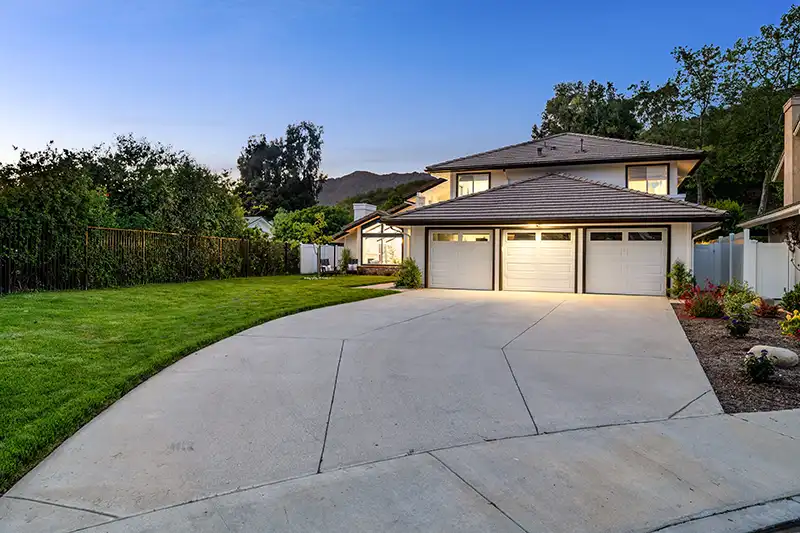
The Middle Ground: When Is Concrete Resurfacing Viable?
Homeowners often ask about a middle-tier solution: concrete resurfacing. Resurfacing involves applying a polymer-modified cement overlay over an existing slab to create a pristine, brand-new appearance. Resurfacing is an excellent option if your concrete is structurally sound—free of deep settling cracks or subgrade failure—but suffers from widespread cosmetic pitting, discoloration, or rough surface wear. However, resurfacing an unstable slab is not recommended because existing cracks will quickly reflect right through the new overlay.

Comparing Upfront Costs vs. Long-Term Lifespan
While targeted repairs have a lower upfront price tag, continuing to patch a crumbling driveway year after year results in escalating maintenance expenses and diminishing visual appeal. Complete replacement requires a larger initial investment, but it resets the clock entirely. A brand-new driveway poured with proper crushed stone compaction and steel rebar reinforcement provides 30 to 40 years of maintenance-free performance, significantly elevating your home's exterior curb appeal and resale value.
Our structural evaluation techniques and repair methodologies align strictly with guidelines published by the American Concrete Institute.
Frequently Asked Questions
Can sunken driveway slabs simply be lifted with polyurethane foam?
Polyurethane foam jacking can temporarily level small slabs. However, if the underlying concrete is already heavily fractured or the subgrade continues to erode, lifting does not fix the broken concrete and replacement is required.
How long does a full driveway replacement take?
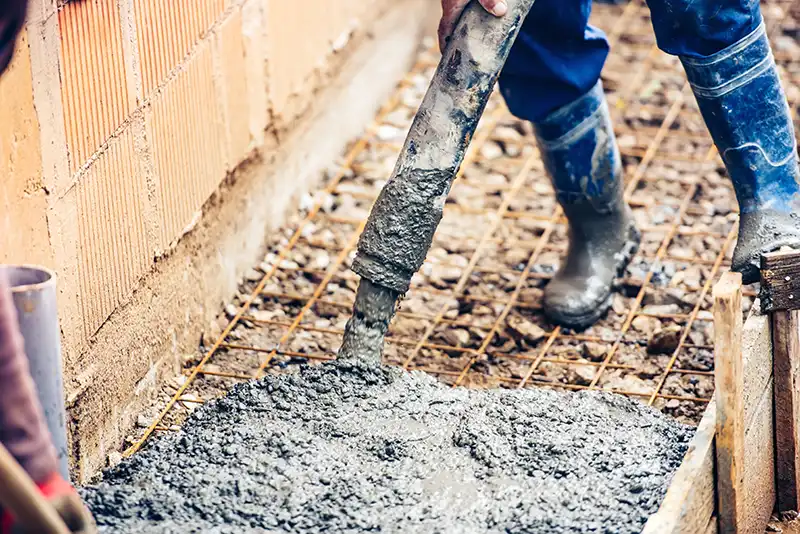
Most residential replacements take two to three working days for demolition, base compaction, forming, and pouring, followed by a 7-day curing window before passenger vehicles can drive on the surface.
Get an Honest Professional Driveway Assessment
Not sure whether your driveway needs a simple repair or a full replacement? Contact Millstone Concrete Company today to schedule a complimentary on-site inspection and written estimate in Roswell, GA!
Related Pages & Technical References
Call For Immediate Concrete Inquiries
Direct communication with our Roswell, GA crew. Call to schedule your free consultation and estimate.